



 Orders
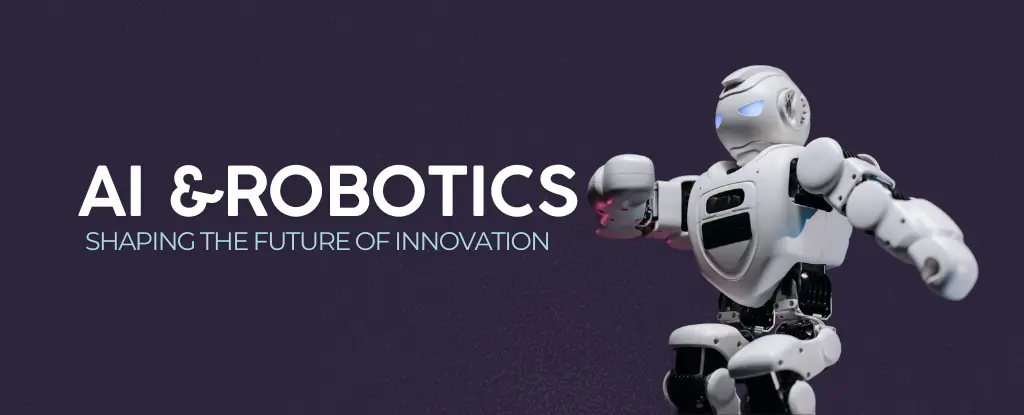
What is Robotics?
Quick Summary
Robotics is the field of engineering and science focused on designing, building, programming, and controlling intelligent machines called robots.
Robotics combines:
- mechanical engineering
- electronics
- computer science
- artificial intelligence
- control systems
- embedded systems
Modern robotics is transforming industries through automation, intelligence, and autonomous systems.
What is a Robot?
A robot is a programmable machine capable of:
- sensing the environment
- processing information
- making decisions
- performing physical actions
Robots interact with the physical world using sensors, actuators, controllers, and software systems.
Some robots are fully autonomous, while others are semi-autonomous or manually controlled.
Main Components of a Robot
Most robots contain the following major components:
Sensors
Sensors help robots understand the environment.
Examples:
- cameras
- ultrasonic sensors
- LiDAR
- IMU sensors
- encoders
- force sensors
Controllers
Controllers act as the brain of the robot.
Examples:
- microcontrollers
- Raspberry Pi
- industrial PLCs
- embedded systems
- AI computers
Actuators
Actuators create physical movement.
Examples:
- servo motors
- stepper motors
- DC motors
- hydraulic systems
- pneumatic systems
Power Systems
Robots require stable power systems for electronics and motion control.
Examples:
- batteries
- power supplies
- BMS systems
- DC converters
Software Systems
Robot software handles:
- decision making
- navigation
- perception
- communication
- motion planning
- AI processing
Modern robots commonly use:
- ROS2
- Python
- C++
- Linux
- embedded firmware
Types of Robots
Robotics includes many specialized robot categories.
Industrial Robots
Used in manufacturing and automation.
Examples:
- robotic arms
- SCARA robots
- welding robots
- assembly robots
Mobile Robots
Robots capable of moving in environments.
Examples:
- AGVs
- AMRs
- warehouse robots
- delivery robots
Humanoid Robots
Human-like robots designed for interaction and mobility.
Examples:
- Tesla Optimus
- Atlas
- service robots
Medical Robots
Used in healthcare and surgery.
Examples:
- surgical robots
- rehabilitation robots
- assistive robotics
Space Robots
Robots used in space exploration and planetary missions.
Examples:
- Mars rovers
- robotic satellites
- robotic manipulators
Applications of Robotics
Robotics is used across many industries.
Manufacturing
Robots improve:
- speed
- precision
- consistency
- safety
Healthcare
Robotics supports:
- surgery
- rehabilitation
- diagnostics
- patient assistance
Agriculture
Agricultural robots help with:
- harvesting
- monitoring
- spraying
- autonomous farming
Defense and Security
Robotics is used in:
- surveillance
- bomb disposal
- autonomous vehicles
- security systems
Education and Research
Robotics is widely used for:
- engineering education
- AI research
- automation research
- control systems learning
Robotics and Artificial Intelligence
Modern robotics increasingly integrates artificial intelligence.
AI enables robots to:
- recognize objects
- understand environments
- make decisions
- learn from data
- perform autonomous tasks
Technologies commonly used include:
- computer vision
- machine learning
- reinforcement learning
- neural networks
Why Robotics Matters
Robotics is becoming one of the most important technologies of the modern world.
Robots help improve:
- productivity
- efficiency
- scalability
- safety
- precision
- automation
Robotics also enables humans to perform dangerous, repetitive, and high-precision tasks more effectively.
Future of Robotics
Future robotics technologies are expected to include:
- autonomous humanoid robots
- AI-driven decision systems
- collaborative robots
- advanced medical robotics
- intelligent manufacturing systems
- self-learning robotic systems
Robotics will continue integrating with:
- artificial intelligence
- cloud computing
- edge computing
- computer vision
- advanced sensors
FAQ
What skills are needed for robotics?
Robotics requires knowledge of:
- programming
- electronics
- mathematics
- control systems
- mechanics
- AI
- embedded systems
Is robotics difficult?
Robotics is multidisciplinary, but beginners can learn robotics gradually through structured learning and practical projects.
Which programming languages are used in robotics?
Common robotics programming languages include:
- Python
- C++
- C
- MATLAB
What is the difference between AI and robotics?
Artificial intelligence focuses on intelligent decision-making and learning systems.
Robotics focuses on machines interacting with the physical world.
Modern robots often combine both robotics and AI technologies.
Frequently Asked Questions About Robotics
Start Your Robotics Engineering Journey
Robotics is one of the most exciting and impactful technologies of the modern world. Start learning gradually, build small robotics projects, improve your engineering fundamentals, and continue developing real-world robotics systems. Every advanced robotics engineer once started with their first Arduino project, first sensor, and first robot.