



 Orders
What is Computer Vision?
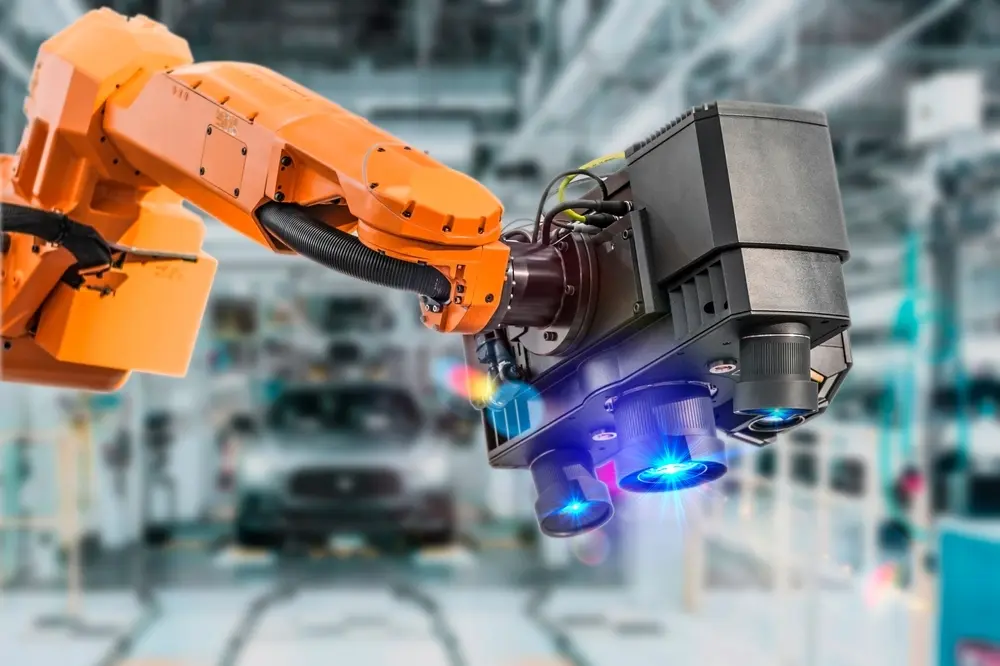
Computer Vision is one of the most important technologies in modern robotics and artificial intelligence.
It allows robots and machines to:
- understand images
- analyze videos
- detect objects
- recognize faces
- estimate distance
- track motion
- understand environments
- make intelligent decisions using cameras
Computer Vision acts as the “eyes” of intelligent robotic systems.
Without computer vision, robots cannot truly understand the real world visually.
Why Computer Vision is Important in Robotics
Modern robots heavily depend on computer vision.
Robots use cameras and AI vision systems for:
- autonomous navigation
- object detection
- obstacle avoidance
- industrial automation
- robot localization
- SLAM
- gesture recognition
- drone navigation
- robotic arms
- self-driving vehicles
- humanoid robots
- AI surveillance systems
Computer Vision enables robots to interact intelligently with real-world environments.
How Computer Vision Works
A computer vision system generally follows these stages:
- Image Acquisition
- Preprocessing
- Feature Extraction
- Object Detection
- Classification
- Decision Making
1. Image Acquisition
The first step is capturing visual data.
Robots use different sensors and cameras:
- RGB cameras
- depth cameras
- stereo cameras
- LiDAR systems
- thermal cameras
- infrared cameras
- event cameras
Popular robotics cameras include:
- Raspberry Pi Camera Module
- Intel RealSense
- ZED Stereo Camera
- OAK-D AI Camera
- USB webcams
2. Image Preprocessing
Raw images often contain:
- noise
- blur
- lighting problems
- distortions
Preprocessing improves image quality.
Common preprocessing techniques:
- grayscale conversion
- filtering
- thresholding
- histogram equalization
- edge enhancement
- resizing
- normalization
3. Feature Extraction
Feature extraction identifies important visual patterns.
Examples:
- corners
- edges
- textures
- contours
- keypoints
Popular feature extraction algorithms:
- SIFT
- SURF
- ORB
- FAST
- Harris Corner Detection
These help robots understand environments and track objects.
4. Object Detection
Object detection allows robots to identify real-world objects.
Examples:
- humans
- vehicles
- balls
- tools
- robots
- road signs
- obstacles
Popular object detection models:
- YOLO
- SSD
- Faster R-CNN
- EfficientDet
Object detection is heavily used in:
- autonomous robots
- industrial robots
- drones
- surveillance systems
- warehouse robots
5. Image Classification
Image classification predicts what an image contains.
Examples:
- cat vs dog
- defective product vs normal product
- healthy plant vs diseased plant
Deep learning models are commonly used for classification.
Popular neural networks:
- CNN
- ResNet
- MobileNet
- EfficientNet
- Vision Transformers
6. Decision Making
Finally, the robot uses visual information to make decisions.
Examples:
- move forward
- stop
- pick object
- avoid obstacle
- track target
- navigate room
This is where AI and robotics combine.
OpenCV in Computer Vision
OpenCV is one of the most important computer vision libraries.
It is widely used in:
- robotics
- AI systems
- industrial automation
- drones
- autonomous vehicles
OpenCV supports:
- image processing
- object detection
- tracking
- camera calibration
- feature detection
- machine learning
- video analysis
Computer Vision + AI
Modern computer vision is heavily powered by Artificial Intelligence.
AI allows robots to:
- recognize complex objects
- understand scenes
- predict movement
- learn from data
- improve accuracy
Deep learning revolutionized computer vision.
Especially:
- CNNs
- Transformers
- Reinforcement Learning
- Diffusion Models
Computer Vision in Autonomous Robots
Autonomous robots require vision systems for:
- localization
- mapping
- obstacle detection
- path planning
- environment understanding
Examples:
- autonomous drones
- warehouse robots
- humanoid robots
- self-driving cars
- delivery robots
SLAM and Computer Vision
SLAM stands for:
Simultaneous Localization And Mapping.
SLAM helps robots:
- map unknown environments
- estimate their position
- navigate autonomously
Vision-based SLAM uses cameras instead of only LiDAR.
Popular Visual SLAM systems:
- ORB-SLAM
- RTAB-Map
- LSD-SLAM
- VINS-Fusion
Stereo Vision
Stereo vision uses two cameras to estimate depth.
Similar to human eyes.
Applications:
- depth estimation
- obstacle detection
- 3D reconstruction
- autonomous navigation
Deep Learning in Computer Vision
Deep learning transformed modern vision systems.
Robots can now:
- detect objects more accurately
- recognize gestures
- understand scenes
- perform semantic segmentation
- estimate human poses
Popular frameworks:
- TensorFlow
- PyTorch
- ONNX
- OpenVINO
Computer Vision Applications
Computer Vision is used in:
Robotics
- autonomous robots
- robotic arms
- warehouse robots
- drones
Healthcare
- medical imaging
- surgery robots
- disease detection
Automotive
- self-driving cars
- lane detection
- traffic sign recognition
Industry
- quality inspection
- defect detection
- automation
Agriculture
- crop monitoring
- plant disease detection
- autonomous farming robots
Security
- face recognition
- AI surveillance
- motion tracking
Hardware Required for Computer Vision
Popular hardware includes:
- Raspberry Pi
- NVIDIA Jetson
- Intel NUC
- GPUs
- AI accelerators
Popular AI hardware:
- Jetson Nano
- Jetson Orin
- Coral TPU
- Intel Movidius
Skills Required for Computer Vision
To learn computer vision effectively, students should learn:
- Python
- OpenCV
- NumPy
- linear algebra
- image processing
- machine learning
- deep learning
- ROS2
- Linux
- camera calibration
Best Programming Languages for Computer Vision
Most widely used:
- Python
- C++
Python is beginner friendly and widely used in AI.
C++ is used for:
- performance-critical robotics
- real-time systems
- embedded AI
Best Way to Learn Computer Vision
The best approach is:
- Learn Python
- Learn OpenCV
- Build small projects
- Learn image processing
- Learn machine learning
- Learn deep learning
- Build robotics projects
- Learn ROS2 vision systems
Beginner Computer Vision Projects
Good beginner projects:
- color detection
- object tracking
- face detection
- lane detection
- gesture recognition
- line following robot
- ball tracking robot
- QR code scanner
Advanced Robotics Vision Projects
Advanced projects:
- autonomous navigation robot
- SLAM robot
- AI surveillance robot
- self-driving robot
- drone vision system
- industrial defect detector
- humanoid robot perception
Future of Computer Vision
Computer Vision is rapidly growing because of:
- AI robotics
- humanoid robots
- autonomous systems
- industrial automation
- healthcare AI
- smart factories
Future robots will depend heavily on AI vision systems.
Computer Vision will become one of the most important robotics technologies in the world.
Conclusion
Computer Vision is one of the most exciting fields in robotics and AI.
It allows robots to understand and interact with the visual world.
By combining:
- cameras
- AI
- deep learning
- robotics
- OpenCV
- ROS2
engineers can build highly intelligent autonomous robotic systems.
Computer Vision is becoming essential for modern robotics engineers.
Frequently Asked Questions
Start Learning Computer Vision for Robotics
Computer Vision is becoming one of the most important technologies in modern robotics and AI. Start with Python, OpenCV, image processing, and small robotics vision projects. Every advanced AI robotics engineer once started with their first camera, first OpenCV program, and first object detection project.